What is Traumatic Stress?
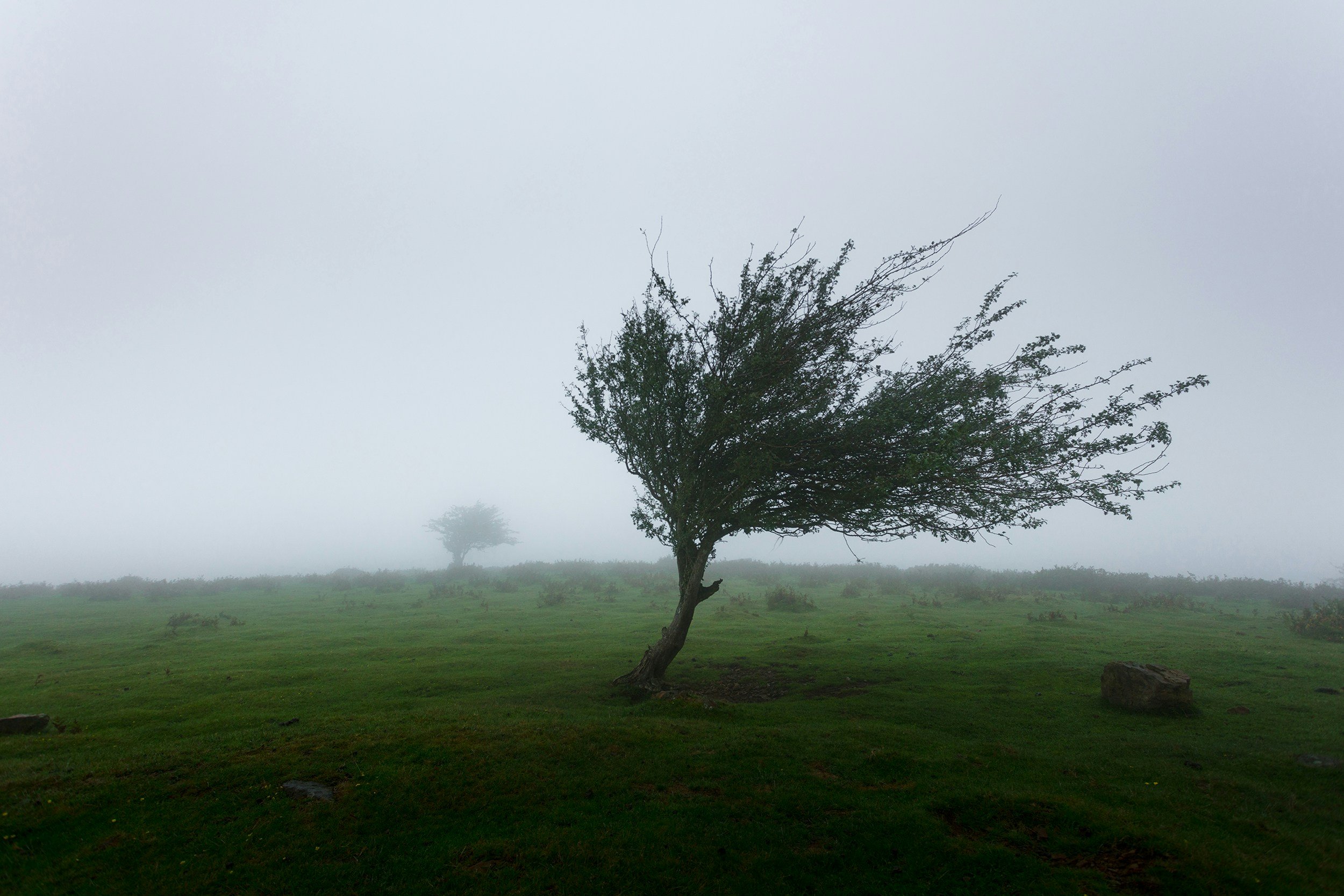
The heart races without warning. Sleep is difficult or disturbed. Certain situations, certain sounds, certain smells - things that wouldn't trouble most people - send us into a state of alarm that feels completely out of proportion. Or we may experience the opposite: a strange flatness, numbness, that leaves us feeling only partially present in our life. This isn’t weakness or overreaction. It is the nervous system doing exactly what it is designed to do - protecting us from a threat that, as far as our bodies are concerned, has not yet passed.
---
The autonomic nervous system - the part of us that manages our responses to threat - has two branches that work together in complex ways. The sympathetic nervous system mobilises us for action: fight, flight, the racing heart, the sharp breath, the body preparing to respond. The parasympathetic nervous system brings us back toward calm: rest, recovery, the return toward balance. In ordinary stress, the system activates and then settles back. The threat passes, the body calms, some equilibrium is restored. In traumatic stress, that settling doesn't happen. The body remains braced - prepared for something that is no longer there. Over time, if that state cannot be resolved, we may remain chronically activated, shut down into numbness and exhaustion, or move between these states. Not because something is wrong with us, but because at the body level, we are dealing with stress energy that the nervous system cannot yet release.
When the nervous system becomes stuck in this way - unable to complete its return to safety - this is what we refer to as post-traumatic stress, or post-traumatic stress disorder. The name can sound like a judgement. It isn't. It is a description of a body still doing its job, long after the job is done.
---
Not everyone responds to overwhelming events this way. Two people can live through the same experience and carry it very differently. This variability is not a measure of strength or weakness. It simply reflects whether what happened was beyond the resources available to that person, at that time - and sometimes it is not one event, but an accumulation of stresses that gradually exceeds what any system could be expected to absorb.
And those resources are not only internal. Whether an experience becomes traumatic often depends less on the event itself than on what happened afterwards - the relational environment in which a person tried to recover. Whether there was someone there. Whether they were believed, seen, witnessed. Whether the people around them could bear to be with what they were carrying. For all kinds of reasons, that environment is sometimes not available, or not enough. And the relational environment is wider than our immediate relationships - it includes our communities, our culture, the institutions we turn to, a sense of whether the world is a place that will meet us in our distress.
This is why trauma, at its core, involves a rupture in connection - not only between people, but between ourselves and the world.
If you recognise yourself somewhere in these words - remember: the same nervous system that learned to brace can, with enough safety and enough connection, discover that the danger has passed.
In the next pieces (Body Memory and Healing in Relationship), I explore how traumatic stress is held as involuntary body response, and the relational conditions in which the nervous system can learn to settle.