The Ugly Duckling
"There once was an ugly duckling
With feathers all stubby and brown”
Good stories endure for a reason. They touch something fundamental - some core experience so common to us all that we recognise it instantly, even when we can't quite name what we're recognising.
Hans Christian Andersen's Ugly Duckling is one of those stories. Beneath the feathers, the farmyard and the frozen lake - is a story about belonging and shame.
---
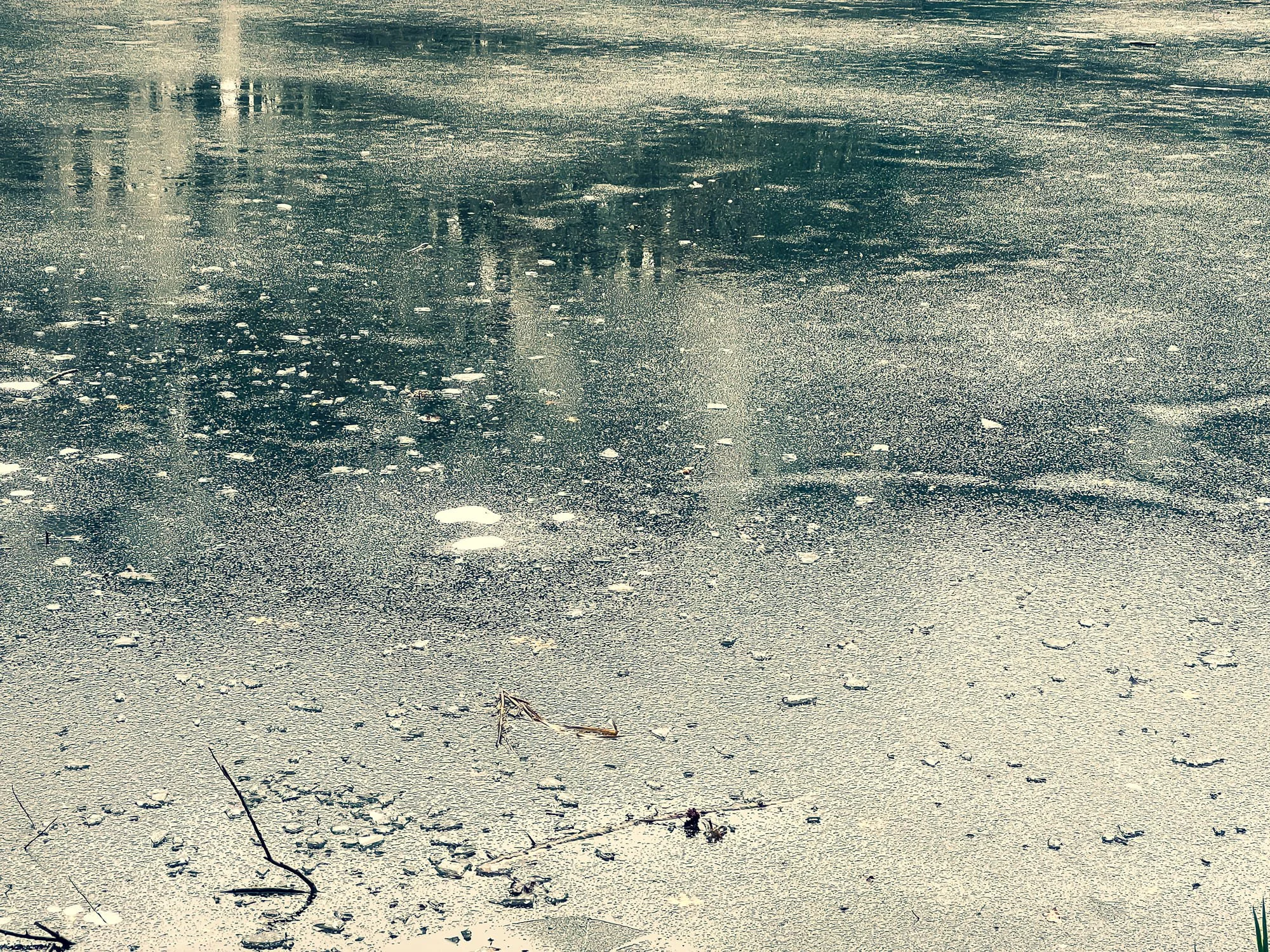
The ugly duckling is, pecked, hissed and screeched at for no other reason than he looks different. He doesn't belong. Moving from one rejection to the next, he carries the accumulated weight of not being right, not being wanted, not being enough. Until one morning he wakes to find himself encased in ice. No longer able to move. Frozen in shame.
‘Frozen in the ice, unable to move’, this image is one of the most precise descriptions of toxic shame and how it feels, that I have encountered. As well as being a powerful metaphor it is also physiologically precise. Shame contracts the body, stops the breath and immobilises the impulse toward life. The ugly duckling encased in ice is a body in shame - and Hans Christian Andersen, writing in 1843, somehow knew exactly what that looked like.
---
Then a kindly farmer takes him home. We, the readers, feel relief. But unfortunately the relief is short lived. Good fortune has seemingly come too late. The duckling convinced of his ugliness, heads out into the world once more. Alone.
The kindness that arrives but cannot be received. The warmth that the duckling cannot trust - because the accumulated experience of rejection has become more real, more reliable, more certain than any single act of care.
For someone who is experiencing toxic shame kindness and love does not conquer all. This is the part of the story that doesn't get talked about enough. Frozen in shame, kindness feels like a trick. The goodness given by someone is perceived as a mistake. Love and genuine affection are not ours to receive. These things belong to someone else, for none of them fit the story we have come to believe about ourselves.
---
The ugly duckling story is three-quarters dark and one-quarter light.
It is the dark part that many of us identify with - in passing, in part, in the occasional difficult season of a life that is mostly alright. Which of us, after all, is without our ugly duckling? That small part of ourselves we feel quietly ashamed of. The thing we hope nobody notices.
But for countless others the experience is all consuming. Being shamed is not, occasional, a passing moment. It is who they are, the air they breathe, the person they believe themselves to be. They are that ugly duckling writ large.
---
Spring arrives. Transformation comes.
In Hans Christian Anderson’s story transformation comes with spring. As with Spring it was always only a matter of time before the ugly duckling sees his true reflection. The reflection of a beautiful swan that he was always destined to become. It is a beautiful ending. And it is, as any ugly duckling will tell you, the stuff of fairy tales.
In real life this transformation requires something much harder than waiting for the season to change. It requires, at some point, the willingness to look. Not away but toward, the very thing that has been most carefully hidden.
And it requires, almost always, another person willing to look with you. Without the judgement, the hissing and pecking. But with the quality of attention that says — quietly, consistently, over time - “I see you. And what I see is not what you think I see.” This is what the work is, at its heart. Not the arrival of Spring. Not the revelation that you were a swan all along. The gradual, careful, sometimes painful process of looking at the part of yourself you most believed was unlovable - and finding that the believing was the problem, not the thing itself.
The ugly duckling, in the end, is not a story about transformation. It is a story about seeing. About what becomes possible when something that has been hidden is finally, gently, brought into the light.