Chi Kung (Qigong) & The Art of Deep Listening
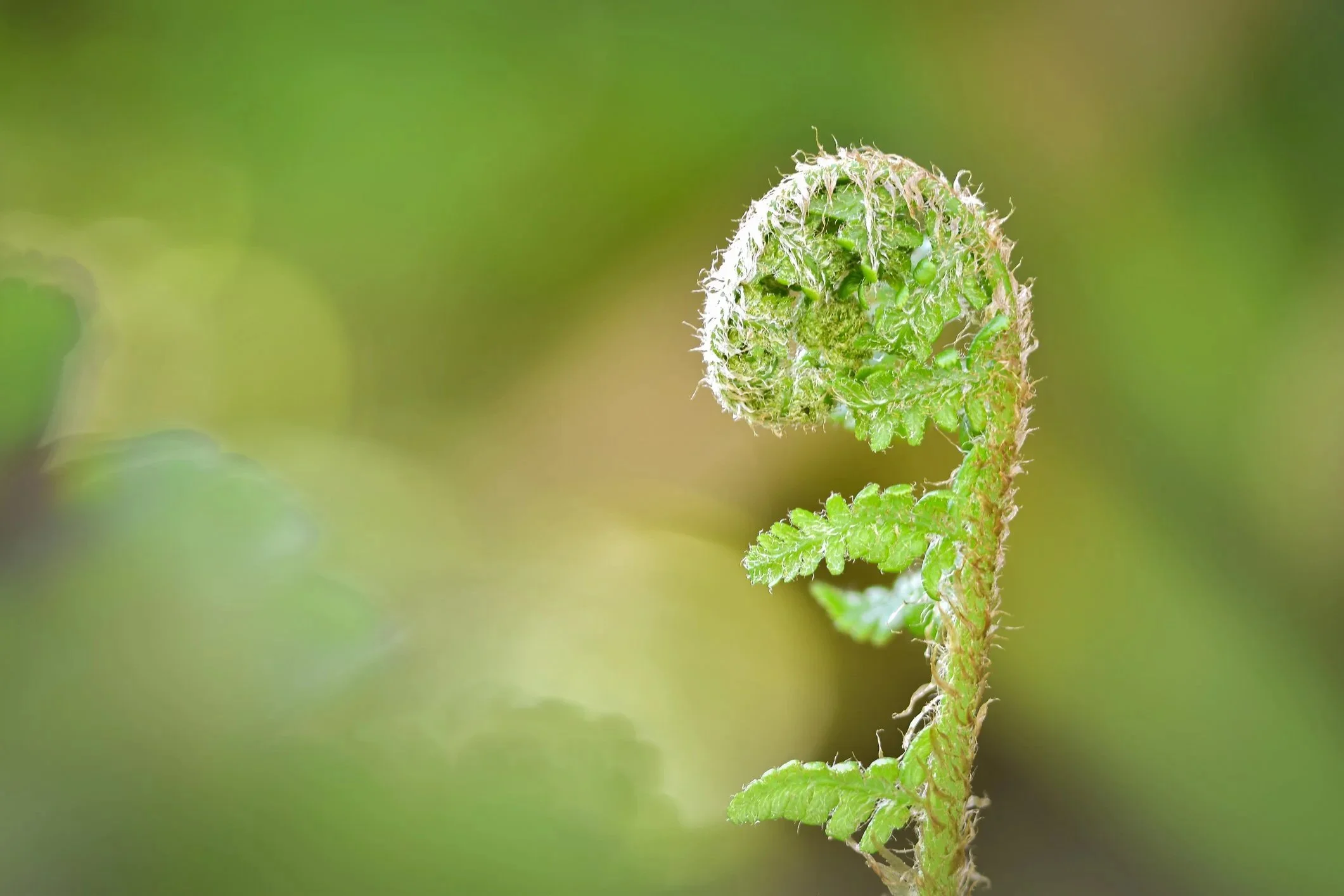
There is no single thing that heals us.
There is no silver bullet. No cure all. No one answer. This can be a surprisingly difficult lesson to learn. Especially in a culture that tends towards wanting answers to questions that are clear and definitive. A problem solved. Healing doesn’t work like that - it is cumulative. It asks for a quality of patience that our culture doesn't really prepare us for. And it needs to be a part of our ordinary everyday life.
For me, that ordinary moment became my daily Chi Kung practice.
---
I came to Chi Kung alongside my body psychotherapy training - the two ran side by side. What I was learning in the therapy room, I was beginning to live in my Chi Kung practice. What the practice opened, informed my work.
Initially I really thought I understood Chi Kung. I thought I was standing, moving, breathing exactly as the teachers demonstrated. But copying and doing what I thought my teachers were doing was not, according to the feedback my body was giving me, it.
When I held what I thought was the correct pose/stance for any length of time, my body would scream at me. In this screaming pain I found all the places I held. All the places I efforted and held my breath. No Wu Wei (effortless effort or doing not doing).
But over time and with small adjustments - inwardly felt - I began to change from the ground up. These were seemingly tiny adjustments but they completely changed my structure. My knees which had been the focus of so much discomfort were, I discovered, fine. I could stand and practice without pain. The next thing to emerge was intense pain in the neck. Which I worked with in the same way. And slowly I began to understand the complete interdependence of everything.
---
How I incorporated Chi Kung into my life, initially, was five minutes at a time.
In the morning I would spend five minutes on a short stretching routine (Dao Yin). I would check in with myself: about time, but also whether I genuinely wanted to continue. I was working, consciously, with not forcing. Drawing on something central to biodynamic psychology - the principle of pleasure, of not taking things into unpleasure. Moving only as far as felt genuinely inviting.
In this way the practice built naturally until I was doing an hour a day. Then an hour morning and night.
But it wasn't confined to formal practice. Whilst walking my dog, I would sink into the Lower Dan Tien - the body's centre of gravity, just below the navel - and move from there. I began to bring that quality of attention into ordinary moments through the day. I became curious when I noticed too much efforting - washing up, carrying the shopping. Everyday tasks we never think about.
---
Much of this wasn't purely Chi Kung. It was also the body psychotherapy training running alongside. Releasing what Reich called body armouring, and what Gerda Boyesen extended into the fascia and the viscera - the understanding that our history lives not just in our minds or our muscles but in the deep tissue of the body itself.
Chi Kung became the daily practice through which that understanding could be lived rather than just understood. Absorbed, over time, until it was less a practice and more a way of moving through the world.
---
I'm not suggesting Chi Kung is the answer. It was part of my path. Yours may look completely different.
What I am suggesting is that we need something. A daily practice. A way of returning to ourselves that belongs to ordinary life rather than the therapy room. Something we can turn to when anxiety rises, when the ground feels uncertain, when the day has taken more than we had to give.
It might be Chi Kung or yoga or walking or meditation or something else entirely. What matters is not the form but the quality - the patient, non-forcing, curious attention to what is actually present. The willingness to move toward pleasure rather than push through unpleasure. The practice of coming back to ourselves repeated over time.
This is what I mean by the art of living. It is not something you arrive at. Rather it is something you practise - five minutes at a time, if that's all that’s available - until it becomes less something you do and more simply the way you are.